

Looking to the Past While Dreaming for the Future
Prisms

Prisms
For Pam and Anton


This morning
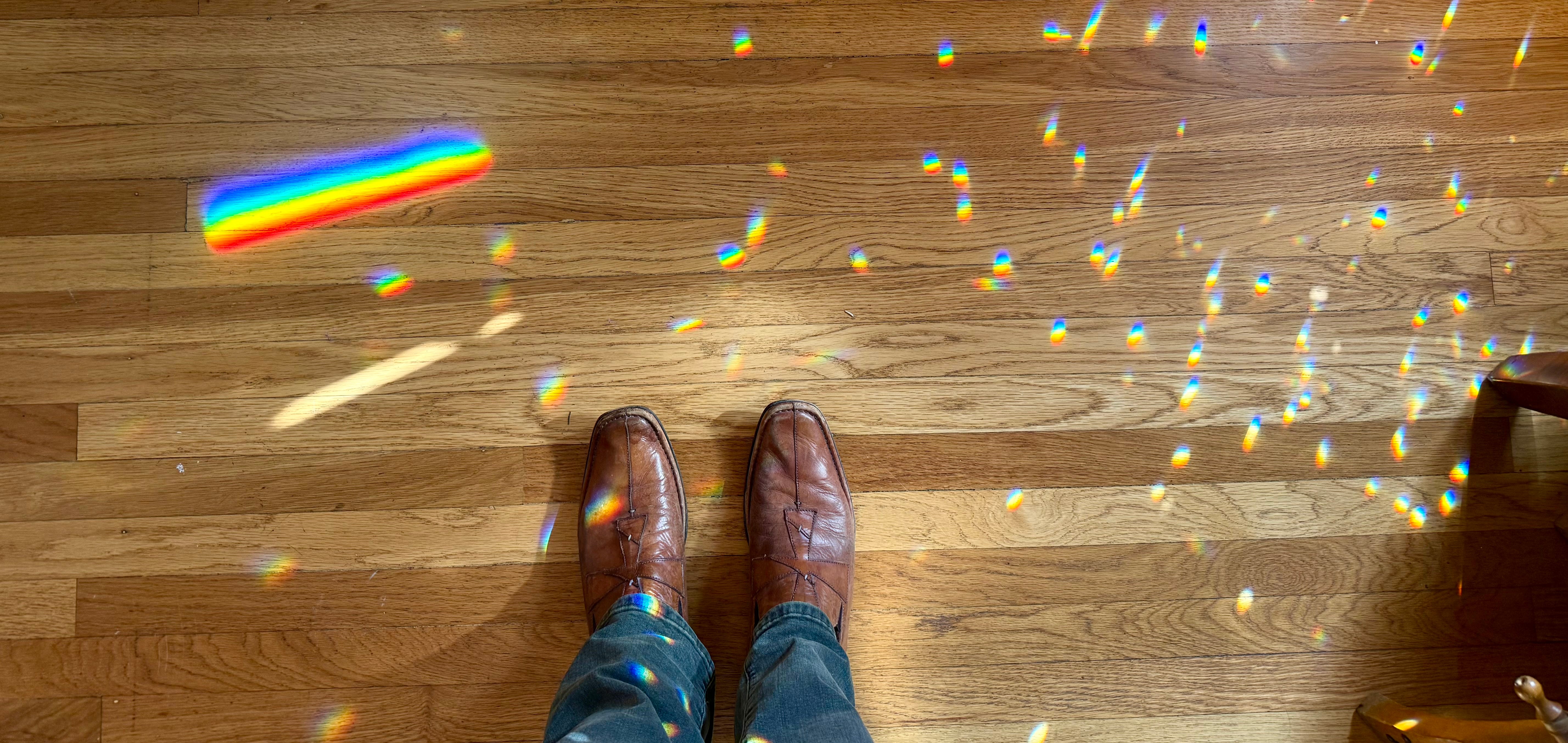
The light glimmers
Through prisms I hung
In these old windows
To catch the sun
As it rises over the small morsel of land
I own with my husband.

This morning
I think of that word:
Husband,
And how
Just a few years ago
(And still in some places)
It was a transgression
Or a lie
Or, at best,
A noun that blinked
Into and out of existence
As we traveled across state lines.

And before that
It simply felt impossible
To fully fit into that word.
It was a jacket too small
And backward
As if to say
We were crazy for thinking
That word
Could ever belong
To people like us —
Just as legally ours
As this little patch of land
In front of our house,
Now limned with the morning sun.

And yet last week
We danced
At my dear friends’ wedding,
Hand in hand,
In front of God and strangers
And the photographer
Rushed through the crowd
To capture the moment,
Though not as an aberration
Or an oddity,
But simply
And beautifully
Because we made a lovely photo
That the bride and groom
Would surely want to keep
As a memento of the moment.

And we danced
To another song
And then another,
Like the rainbows scattered and moving
Across my desk this morning,
Two lovers twirling
As the sky blazed into sunset behind us
Until we opened our embrace
To dance with the groom’s joyous mother
Who fled Russia along with him.
She too
Must have been overwhelmed
With the meaning of such a night,
Her only surviving child,
Who was not even hers by birth,
Was there stepping into
A new future
Neither of them had dared to dream
Back in those colder iron days.

There
In the warmth and joy
Of a late spring wedding,
All of us
Were celebrating love
Together
In all the ways it blossoms,
And all the ways it finds its freedom
To bear sweet fruit
Out in the open,
Out beneath the sunset,
Out in the places
That it never thought it would claim
As its own.
I recently did what I once thought would not be possible in my lifetime:
I, as a legally married gay person and ordained minister, officiated the wedding of two dear friends, with the acceptance of everyone there, and with my husband as a helper.
That doesn’t really sound all that farfetched in most of the developed world now, but this was inconceivable to me not too long ago, even though I’ve been an imaginative, visionary optimist my entire life. In fifth or sixth grade we had an assignment to design our dream house, and I created a fantastical underwater home inspired by the “Aquanaut” (and personal hero of mine) Sylvia Earle, who lived underwater with a group of female researchers in the early 1970s. I had faith that sometime in my lifetime I’d be able to live under the sea in some version of this aquatic dream house.
I also thought we’d have a colony on the moon by now, that the whole world would be run by renewable energy, and that racism would be nothing but a terrible footnote in the history of the world.
The overwhelming belongingness that I experienced at this wedding, however, was beyond anything I could have ever asked or imagined. The closest thing I ever dared to dream was that I’d find the man I’d love, that we would have our own meaningful (but non-legal) marriage ceremony, and that we would find a community where we would be safe and accepted — maybe in San Francisco or somewhere in Europe. And even though I was originally ordained thirty years ago, I never thought I’d find almost total acceptance as an out gay minister.
When I was a young seminary student, Ephesians 3:20 lit my imagination afire. It said that God was “able to do immeasurably more than all we ask or imagine, according to His power that is at work within us.” Beyond what we could even imagine! That was exciting to me, and as someone with a big imagination, it led me to dream. And boy did I dream big.
Through the past three decades since then, I’ve often been let down by the violence, corruption, inequity, injustices and other setbacks the world keeps producing. Even so, I’ve worked hard to maintain some hope for the future. I keep going back to this idea that life can provide outcomes that I never would have dreamed of, along with the idea expressed elsewhere in Scripture that “all things” can work together for our good. Those ideas gave me hope even when everything seemed hopeless.
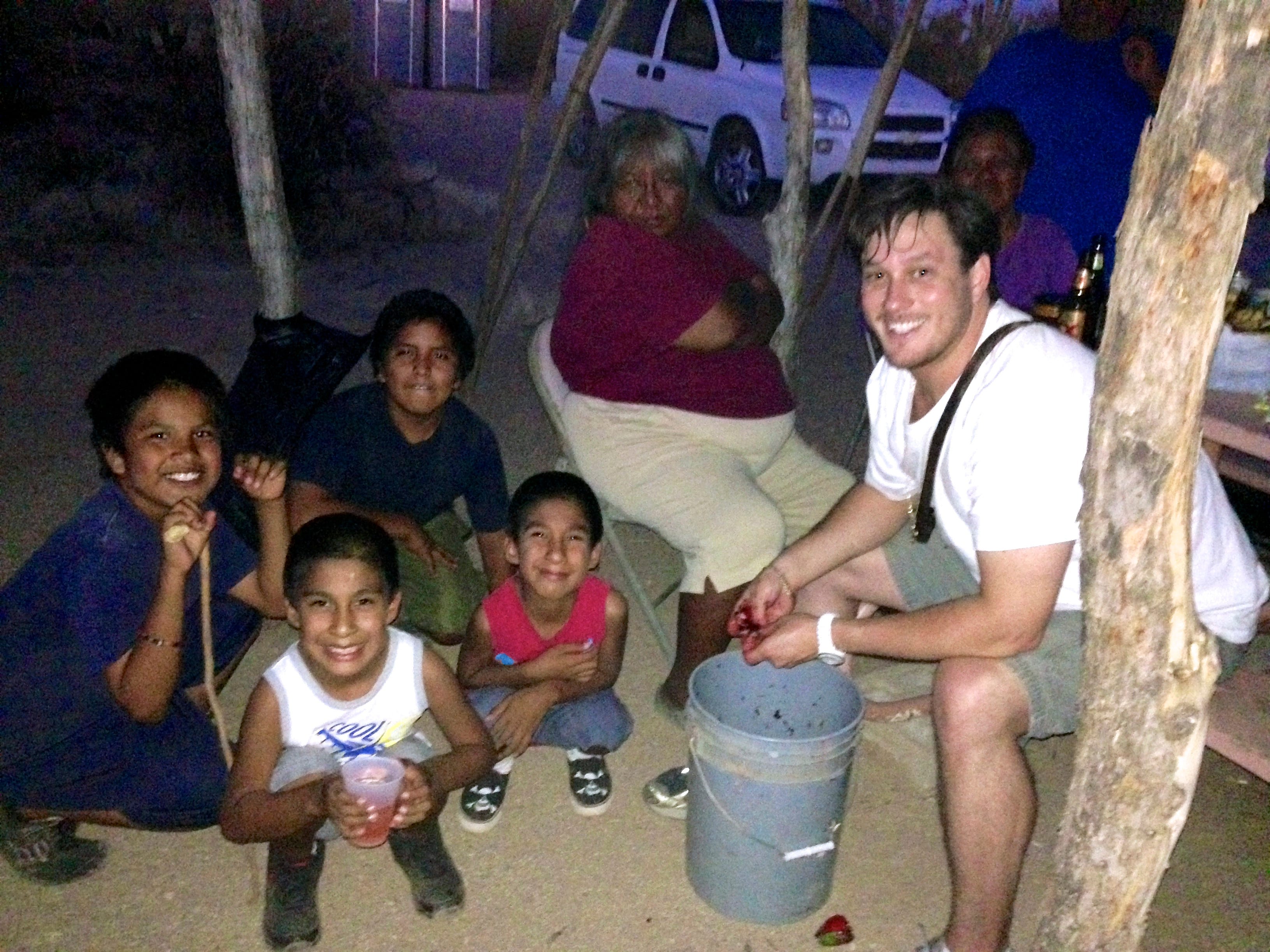
I learned these kinds of lessons elsewhere too. From 2001 to 2017 I worked with the Tohono O’odham Nation, which gave me tremendous access to indigenous wisdom from another culture. Whereas I came from a tradition that taught that the sins of the father are passed down to the son, the Tohono O’odham revere their ancestors and, believing them to still be tangibly among us, look to them for guidance and strength. As I looked more broadly, I found example after example of indigenous spiritualities, from the Americans to Asia and Africa, centered on the idea of generational blessings, gifts, legacies, responsibilities, and consequences. To me, it felt like an inverted version of Judeo-Christian teachings about generational curses.
Rather than God punishing sinners for multiple generations, many of these other cultures saw prior generations as sources of wisdom, while future generations were sources of hope. Decisions were made with an eye toward both the past and the future, and the equation for almost any decision factored in both respect for ancestors and responsibility to children, grandchildren, and other descendants going on for seven generations. In other words, they would ask, “How does this decision honor my ancestors and everything they taught, valued, experienced, or shared with me, and how will this decision affect my great-great-great-great-great grandchildren?”
This perspective has given me a lot to think about, especially recently. Stepping back from the urgency and immediacy of daily news to look at things from a multi-generational perspective gives me a much broader sense of timelines. My grandparents taught me quite a bit of our family’s history when she was still alive, and I often sat there listening to their stories in rapt attention as they described what I now recognize as a legacy of incredible endurance and resilience.
My maternal grandfather was already in his fifties by the time my mom came along, and I was in awe at the fact that he was born in the late 1800s and had grown up in what he called “the horse and buggy days.” He told us about his first encounter with electricity and indoor plumbing, what it was like to see the country go from horse-drawn carriages to steam engines and cars, and how he thought he was doing something extraordinarily futuristic when he started a natural gas company in Missouri. There were plenty of things we weren’t allowed to ask about, however, like his kids from his previous marriage, including one who died in WWII, or why they left that successful gas business and everything else behind to start over in rural Florida when my mom and her sisters were young children.
I’d eventually learn that this set of forbidden topics was inherited by my mother and her siblings. To this day, no one can tell me why my mom’s side of the family is full of addiction and trauma or why they left a successful life in Missouri to struggle in Floridian poverty.
On my dad’s side, however, nothing was off-limits. My paternal grandmother, a concert pianist and retired antiques dealer, told me about her incredible exploits in Panama, Puerto Rico, and Hawaii. She told me about moving from Panama to a radically inclusive high school in Camden, New Jersey, where some of her closest friends in the 1920s were Black, and how much more she appreciated her multi-cultural upbringing after she moved to the racist South.
She taught me ikebana and the tea ceremony, which she’d learned from her Japanese friends in Hawaii, and she told me all the juicy gossip from touring with Liberace (who once stole her pet parakeet on the train) and how she would help her Hawaiian neighbor, the heiress Doris Duke, keep her affair with Olympic surfing champion Duke Kanahamoku under wraps.
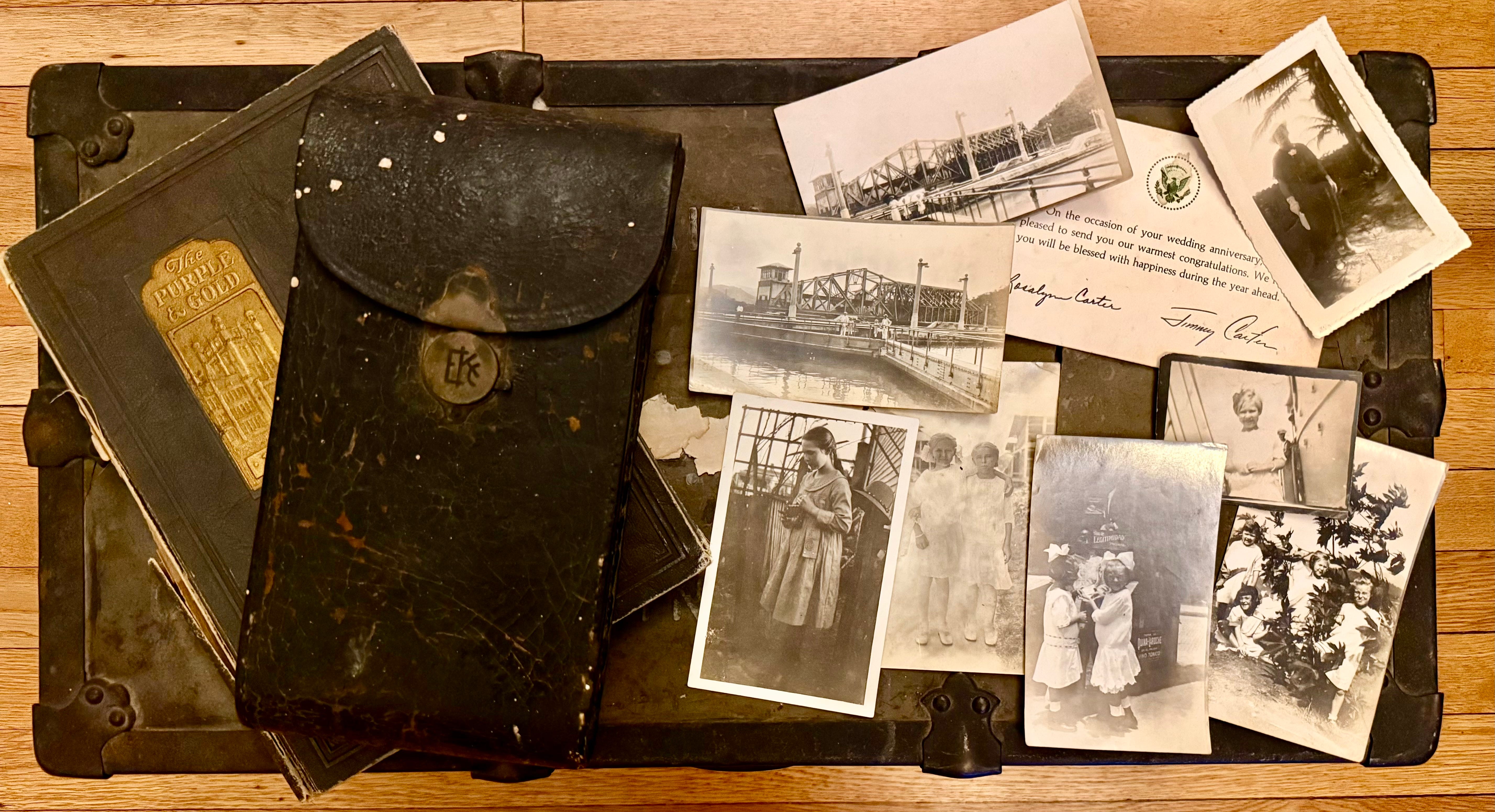
She also taught me to care for things, from her sentimentally valuable but monetarily worthless books and photographs still in my library to the silver candelabra once owned by the Kamehamehas, the Hawaiian royal family.
All of that came up again and again these past couple of weeks as I prepared for a visit to Antiques Roadshow, where I had a VIP invitation to have my grandmother’s heirlooms examined.
I have my great-grandfather’s old Eastman Kodak foldout camera and the photos he took with it, including the inauguration of the Gatun Locks in the Panama Canal. I had that silver candelabra from the Kamehameha family, and I had two paintings Doris Duke had given to my grandmother.
To get all of it prepared, I had to sift through generations of old photos, containing everything from my great-great grandparents’ tintype negatives to photos of my ex-husband shortly before we lost everything because of his devastating relapse that sent him to prison.
That led to a strange few days of being completely overwhelmed with love and respect for my ancestors as well as pain from so many reminders of terrible events and betrayals. It also led me back to that generational perspective I’d learned from the Tohono O’odham, which was only reinforced by the experts at the Antiques Roadshow who taught me how to preserve these items for my niece, Rachel, the last living link to my grandparents. It led me to wonder if she will ever have children of her own, and whether or not they will be interested in these mementos of our family history. It made me revisit my concepts of family, mortality, and legacy.
And it showed me all the ways my family history lives on in me in both the treasures and the traumas I’ve inherited.
Some of the photos, old letters, and other memorabilia were excruciating to see. There were numerous photos of a trip to Disney World from the weekend I first caught my ex-husband cheating on me with my best friend, along with numerous letters apologizing for his many relapses and infidelities over the seventeen years of our marriage. There were also photos my mother took from the shore as my brother rescued me after I slipped in rapids and almost drowned. I had remembered her standing on the shore and laughing, but somehow I had blocked out or forgotten that she also took pictures of the event instead of helping.
I could feel my inner child sobbing.
But I also saw generations of resilience in all of that — including my own. Newspaper clippings reported the accident that took my great-grandfather’s life, which forever altered my family, and yet there were scores of photos of my grandmother and her mom (who was his widow and my great-grandmother) enjoying the paradise of pre-state Hawaii and making something beautiful after the horrific loss of the family patriarch. I saw all the promise of my dad growing up in that paradise and sitting on the president’s lap only to be drafted during Vietnam and returning a broken alcoholic, yet still holding on all these years later. I saw how he has survived decades of PTSD, mental health struggles, and two suicide attempts, and how he still figured out a way to emerge from all of that to love me in the best way he could.
Going through all of those memories right after having had a glorious weekend being surrounded by matrimonial love at my friends’ wedding was overwhelming. It was also related. The bride, one of my closest friends, lost her father to a charlatan who killed him, lost her mother to alcoholism, lost her five-year-old son in a freak accident, and had a lifetime of struggles she’s had to overcome. The groom, a newer but also dear friend, fled Russia along with his adopted “fairy godmother,” who gave him away at the wedding, and the two of them have unbelievable stories of generational losses, including murder, political violence, and familial suicide.
And somehow all of us found each other in this enormous, chaotic world and created something utterly beautiful.
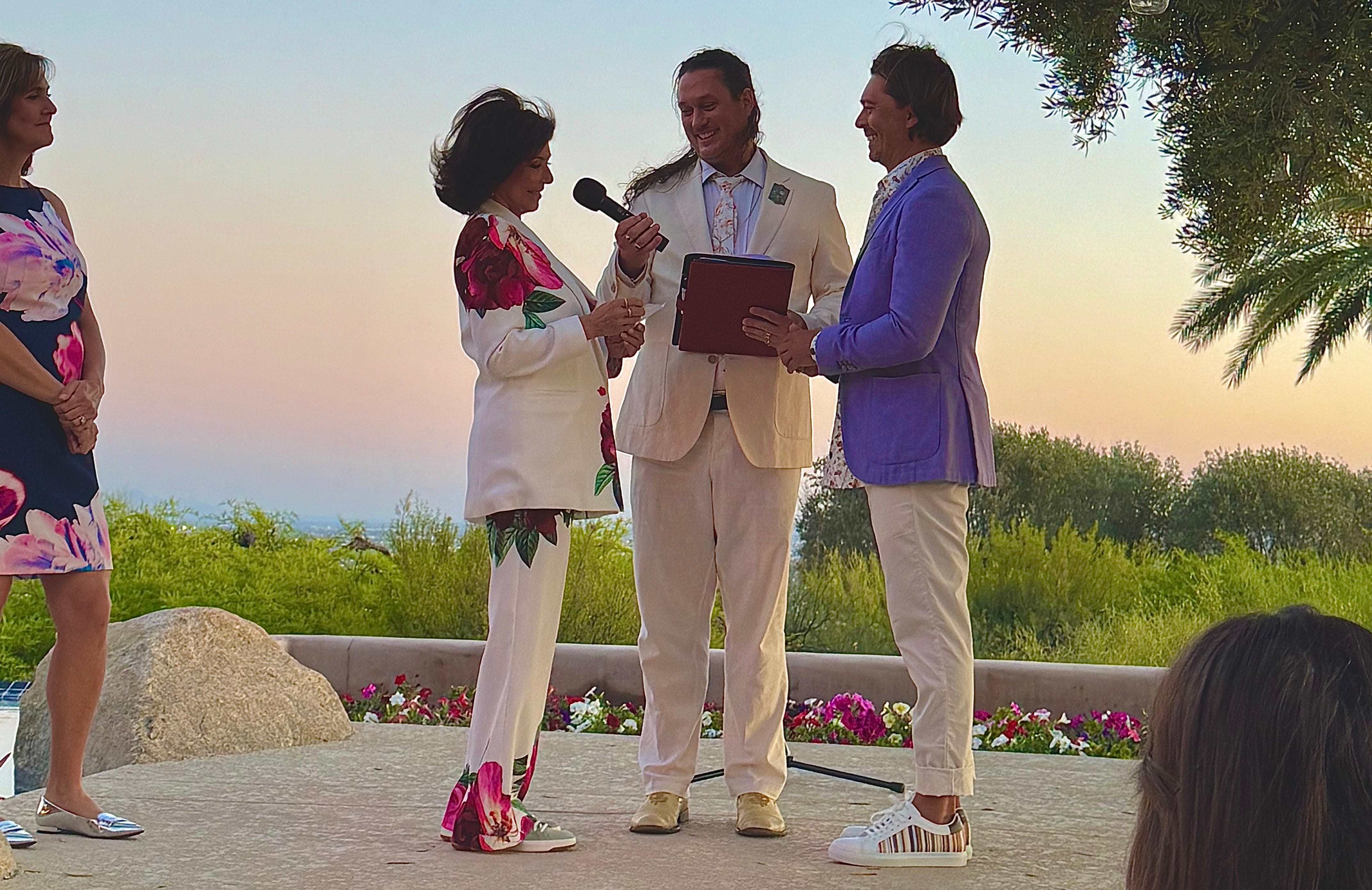
I thought again about that Scripture that God can do beyond what we could ever dare ask or imagine, and sure enough, here was that promise playing out in my life. Did we have flying cars and hoverboards and underwater houses? No. But we had a world where I could be legally married to my husband, legally ordained and have that ordination respected in my community, and then use that ordination to officiate a perfect wedding ceremony for two of my dearest friends.
It seemed like a miracle because it was. If I could go back thirty years and tell my seminarian self what would was possible, my younger self wouldn’t have believed it. If I’d gone back to 2009 to tell myself about the emotional and spiritual healing I’d enjoy after my entire world fell apart during my ex’s relapse, I doubt I would have believed that either. But here I was, in that incredible, beautiful, implausible future that I hadn’t even dared to dream.
Yes, the world is in chaos and there are places where I wouldn’t be safe, but looking back on what my ancestors accomplished — and what I’ve been able to accomplish — has made it so clear to me that our wounds can lead us to our wisdom, and then they can lead us to our work in the world.
“Our wounds can lead us to our wisdom, and then they can lead us to our work in the world.”
If I could go back and change the traumas in my family, I don’t think I would, because the gifts buried in those traumas are instrumental in the life I enjoy today. This realization gives me hope for the future. I come from a long line of long-lived, compassionate, artistic, creative, and RESILIENT ancestors, and I am determined to carry that resilience and healing forward. My wounds and the wounds that I’ve inherited from my family have become a new legacy of healing in my life, and I’m determined to help others heal too. I’m also determined to do my part, whatever that may be, to be strengthened by the examples of my activist ancestors, to heal the part of the world that I can heal.
Speaking of legacy, Maya Angelou famously told Oprah Winfrey:
“You have no idea what your legacy is going to be because your legacy is never going to be just one thing. Your legacy isn’t some big grand gesture that’s waiting to happen. Your legacy is every life you touch. It’s every person who ever watched your show and felt something, was moved to do something, to go back to school, leave an abusive marriage, stop hitting their child, get a better bra, work out more, go check their blood pressure, check on their father who they haven’t talked to for years, forgive their brother, no longer remain silent, not be a victim. It’s not one thing—it’s everything! It’s every life you touch.”
We don’t need a television show to touch people. I truly believe that kindness and bravery ripple out and leave a legacy in everyone we touch with it — even if they aren’t alive yet. In light of the “seven generations” idea, I want to do whatever I can to sow seeds for the benefit of my own heirs — whether that be people like my niece and her possible lineage or strangers on the internet that might come across my writing — and I want to leave a legacy of goodness and healing and inclusion and thoughtfulness wherever I can.
And I want to leave a legacy of hope.
Maya Angelou also said, “Every storm runs out of rain.” I think about the storms my ancestors and I have weathered and realize that I have way more fortitude than I sometimes realize. I needed to remember this, especially lately, when dealing with a world at war and in chaos and headed to any number of apocalypses. And especially with my body, with its pains and limitations due to age, trauma, genetics, and autoimmune disorders. Sometimes it feels like life is more struggle than triumph, but I have a deep wellspring of resilience to draw from, both from my own ancestors and the spiritual ancestors who speak to me across the barriers of time, place, blood, and culture. Humanity’s shared wisdom and experience is a legacy we can all learn from and inherit.
When I first started in Twelve Step recovery for codependents and partners of addicts I needed to borrow resilience from those who had been in the program longer than me. Their “experience, strength, and hope” gave me the courage and confidence I needed to continue. Their stories of their own healing from betrayals and losses inspired me that I, too, could heal from mine, and their example of ending family dysfunction gave me the strength to let go of the traumas I’d inherited from my own addicted and abusive family.
Their healing became my healing. Their experience became my strength and hope in one of the most hopeless times of my life. And now, almost exactly seventeen years later as I write this, I am enjoying a life that is beyond many of my wildest fantasies. Sure, I have Crohn’s and other health issues, I still see a therapist, I continue to go to Twelve Step meetings, and my husband and I still have our issues from time to time — because that’s part of life. But we have a great life together!
And even though I may never live to see the advent of that futuristic undersea home I once dreamed about, I live in my dream house nonetheless. My husband and I have restored a 1915 church into an absolutely beautiful home full of all the things I love. Every square inch of this place has been touched by the design background that I inherited from my ancestors as well, and it is decorated with meaningful objects and artworks that make us think of both our ancestors and eventual heirs as well.
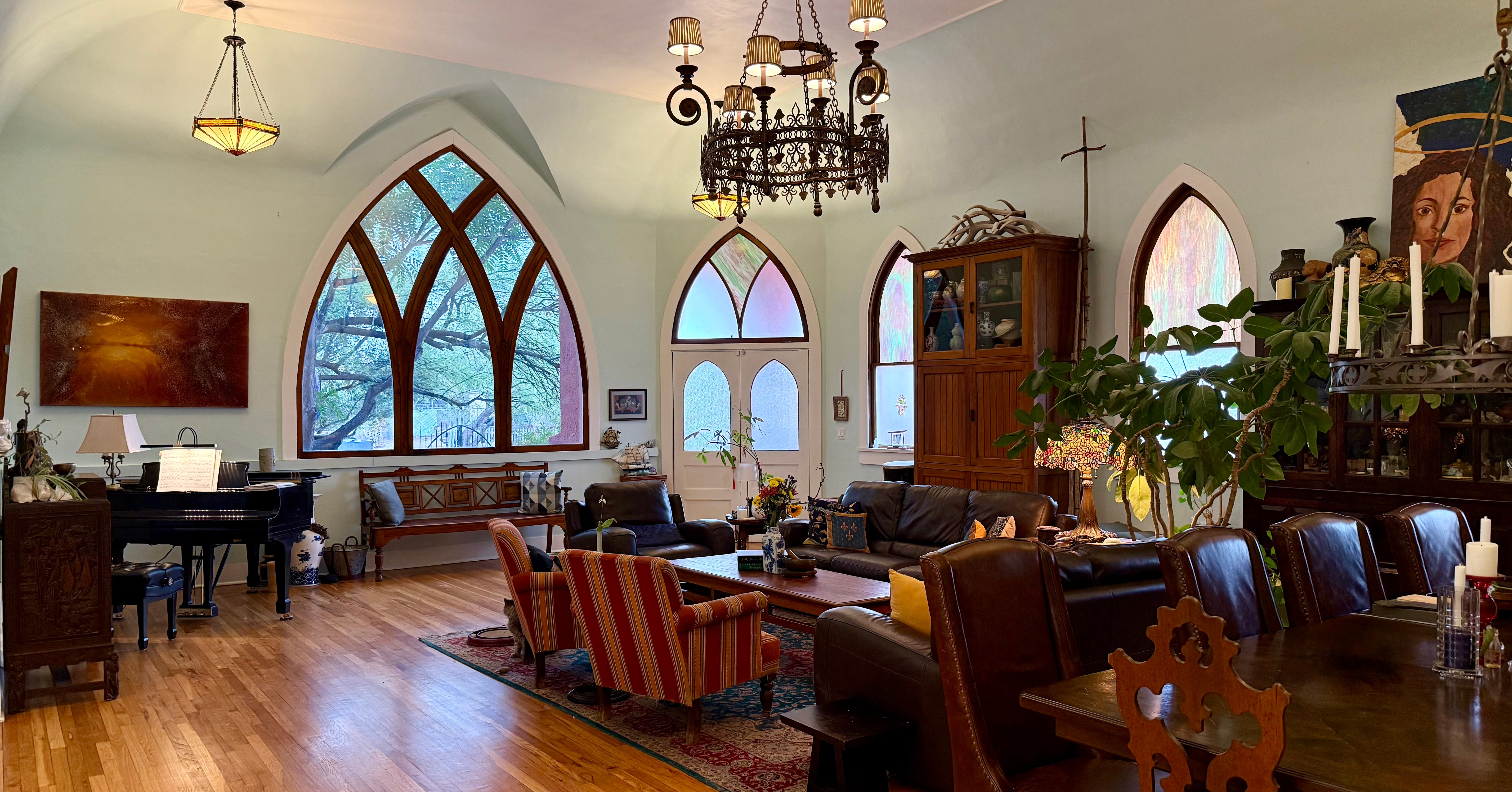
Sometimes I’m afraid to lose this wonderful life. This week I have a CT scan to check on my adrenal tumor, my dad is getting to an age where it seems like he needs more care than I can provide, and I have a niggling fear that we are on the brink of catastrophic changes to society because of any number of things, from AI to World War Three or even the collapse of my country’s government into brutal totalitarianism.
But then I look back on everything my ancestors have seen, everything accomplished by the heroes of ages past, everything survived by cultures everywhere, and all the once-unchallenged systems that have gone by the wayside (like belief in the divine right of kings, manifest destiny, and feudalism), and I realize once again that MLK was probably right that while the moral arc of the universe may be long, it does bend toward justice.
And with each of us leaving our own legacies in everyone we touch, perhaps we help bend it a little more smoothly toward liberty and justice for all.
I love you!
Eric